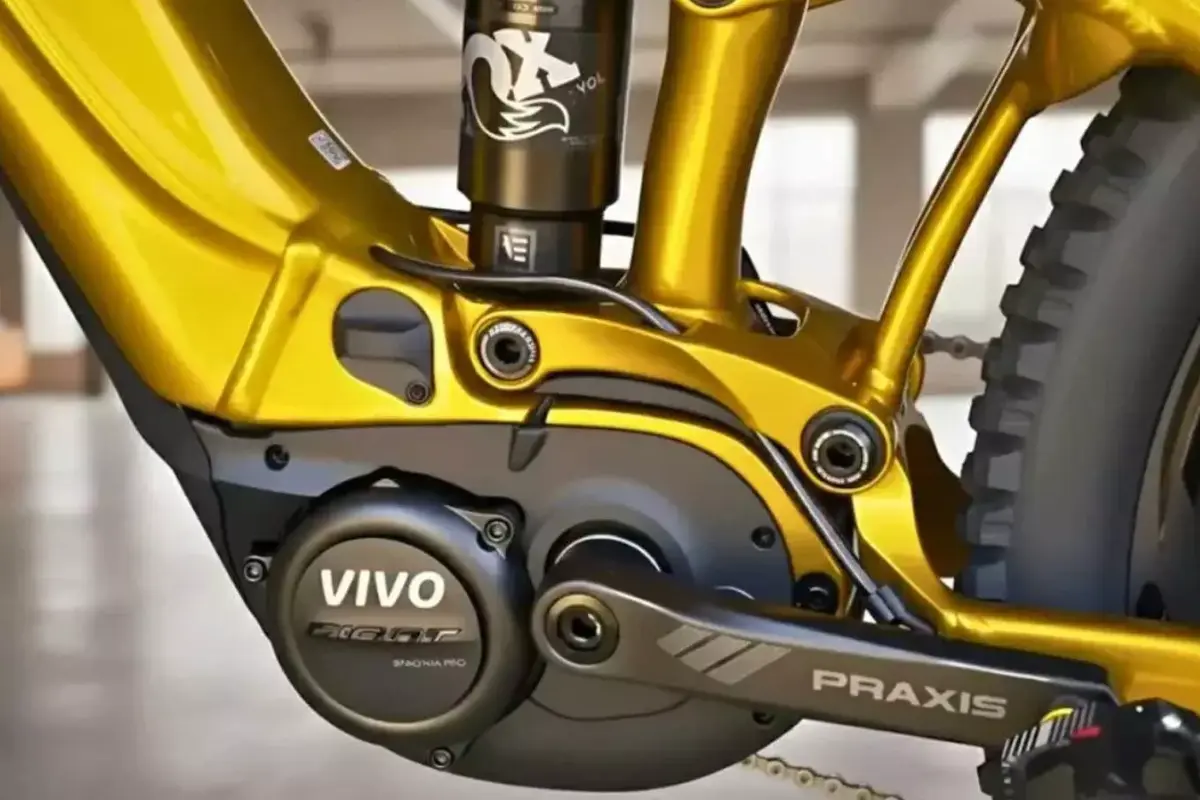
Vivo Electric Bicycle 2026 Launched : The Vivo Electric Bicycle 2026 has entered the rapidly growing electric mobility market, offering impressive specifications for both urban commuters and recreational riders. As urban populations expand and environmental concerns mount, electric bicycles are becoming a preferred alternative to traditional vehicles.
The Vivo Electric Bicycle 2026 is designed to offer a balance of power, range, comfort, and smart features that will appeal to both new and experienced e-bike riders. With the global e-bike market projected to reach over 40 million units annually by 2030, products like this demonstrate how technology is meeting real-world commuting needs. The inclusion of key performance metrics such as battery capacity, motor power, and practical riding range makes this bicycle a strong contender in its segment.
Performance and Motor Specs
The Vivo Electric Bicycle 2026 features a 250W to 350W rated brushless hub motor, providing ample thrust for urban environments and moderate inclines. The motor delivers up to 60 Nm of torque, allowing riders to easily climb inclines of up to 15%, which is particularly useful in hilly cities. This power bracket is comparable to mid-range e-bikes that dominate the city commuting category, where reliability and consistency matter more than outright speed.
While the top speed is typically limited to 25 km/h to comply with electric bicycle regulations in many regions, the Vivo bicycle maintains consistent acceleration and smooth power delivery. These real-world performance figures make it practical for everyday use without compromising safety or legal compliance.

Battery Capacity and Range
The Vivo Electric Bicycle 2026 utilizes a lithium-ion battery pack with a capacity of approximately 540 Wh, which is common in commuter-focused e-bikes that aim to strike a balance between weight and range. The actual battery capacity significantly impacts how far a rider can travel on a single charge. In real-world conditions, the Vivo bicycle can deliver a range of 60-80 kilometers per charge at typical pedal assist levels.
This range is measured under mixed city riding conditions, including stop-and-go traffic and gentle inclines – data that reflects the experience of many daily commuters. On flat roads at a consistent assisted speed, the bicycle can travel even further, exceeding 80 km, making it sufficient for most daily commutes without frequent recharging. The battery also supports quick charging in approximately 4-5 hours, which aligns well with typical overnight charging habits.
Design, Comfort, and Practicality
The Vivo Electric Bicycle 2026 features commuter-friendly design elements such as an ergonomic saddle, adjustable handlebar height, and puncture-resistant tires. The frame utilizes a lightweight aluminum alloy, keeping the overall weight at approximately 18-20 kilograms. This weight makes the bicycle easy to carry up stairs or onto public transport.
Its compact wheelbase and responsive brakes enhance riding confidence, especially in stop-and-go city traffic. The comfortable riding geometry and suspension support reduce rider fatigue on bumpy roads or uneven surfaces. Overall, the practical features prioritize the real-world needs of daily riders rather than focusing solely on high-end racing specifications.

Smart Features and Safety
The Vivo Electric Bicycle 2026 features a digital dashboard that displays speed, battery level, distance traveled, and assist mode. Safety features such as integrated front and rear LED lights improve visibility in low-light conditions, while a rear reflector and bell provide basic but essential safety equipment. The bicycle also offers three levels of pedal assist, allowing riders to choose less motor support for exercise or more support for easier riding.
These settings directly impact energy consumption and range, with lower assist extending battery life and higher assist making riding effortless. Such practical and data-driven user controls help riders optimize their experience based on distance, terrain, and personal preference.
Cost and Value Proposition
The Vivo Electric Bicycle 2026 is priced in the mid-range bracket compared to other commuter e-bikes, making it accessible to a broad segment of urban riders. While the price may vary depending on regional taxes and model options, the value proposition focuses on balanced performance, reliable range, and everyday usability rather than premium or niche features.
Given the rising costs of ride-hailing services and fuel, owning such an e-bike can result in significant savings over time. For example, if a commuter uses an electric bike instead of a motorized two-wheeler or car for short daily trips of 20-30 km, the cost per kilometer is considerably lower with the electric bike. This practical financial data reinforces why e-bikes are gaining popularity in cities worldwide.