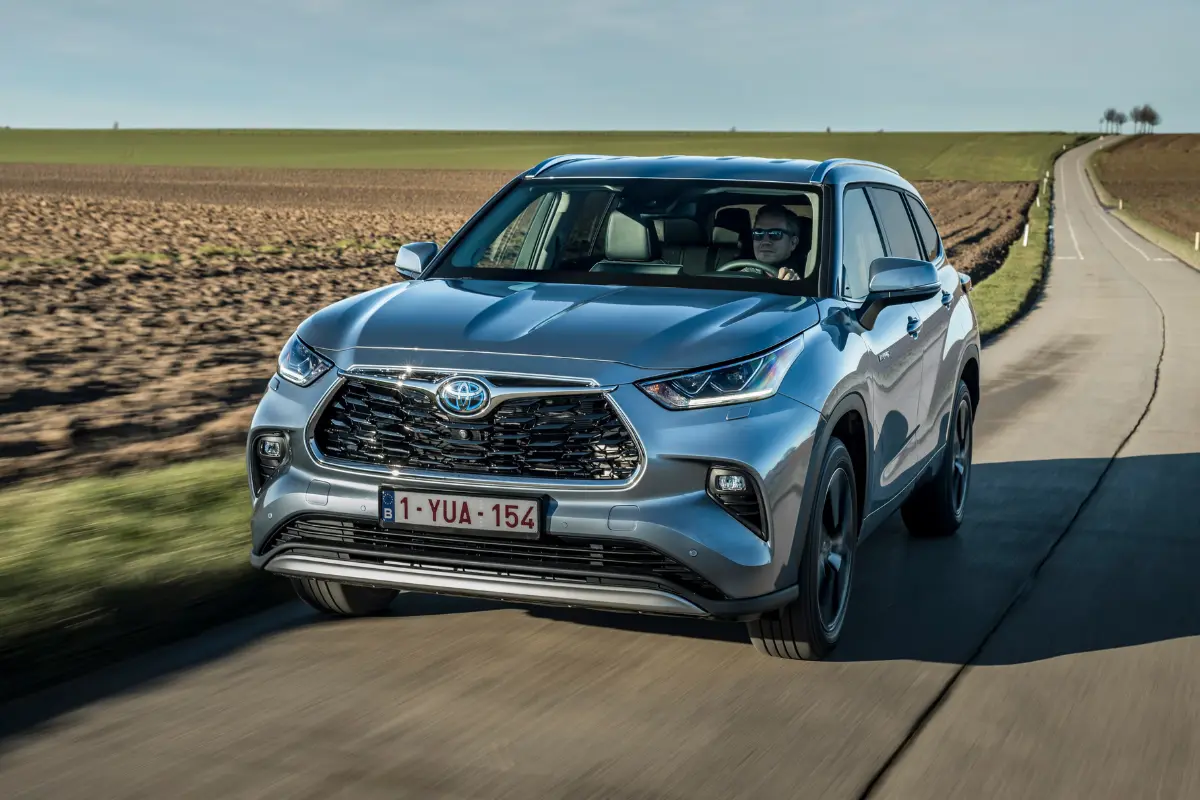
Toyota Highlander 2026 : The Toyota Highlander is a popular mid-size SUV known for its reliability, comfort, and family-friendly design. First introduced in 2000, the Highlander has become one of Toyota’s best-selling SUVs worldwide. With SUV sales growing worldwide—more than 40 million SUVs are sold each year—the Highlander competes strongly in a crowded market with its balanced mix of performance, safety, and technology.
The Highlander is available in both petrol and hybrid variants, offering options for buyers who want better fuel efficiency without compromising on power. In 2025, Toyota projects an approximately 8% increase in Highlander sales compared to the previous year, reflecting its continued demand among families and commuters.
Design and Exterior Styling
The Toyota Highlander features a sleek yet elegant exterior design that blends practicality with modern styling. Measuring approximately 4,950 mm in length and 1,930 mm in width, this SUV offers a stable and large presence on the road. The aerodynamic body helps improve fuel efficiency and gives it a premium look.
The Highlander’s signature LED headlights and bold front grille give it a distinctive look. The roofline is slightly sloping but still provides ample headroom for all three seating rows. With approximately 200 mm of ground clearance, the Highlander handles rough roads and mild off-road conditions with ease.
Interior Comfort and Seating
Inside, the Toyota Highlander is designed for comfort and convenience. It typically seats 7 to 8 passengers across three rows. The second-row seats offer approximately 38 inches of legroom, while the third row offers approximately 34 inches—enough space for adults on short to medium trips. The cabin materials are soft-touch and well-finished, giving it a premium feel compared to many competitors in the same price range.

Cargo space behind the third row is approximately 300 liters, expanding to over 2,000 liters when both rear rows are folded flat. This flexibility makes the Highlander ideal for weekend trips, luggage, or sports gear without compromising passenger comfort.
Engine and Performance
The Toyota Highlander comes with several powertrains. The standard petrol version typically features a 3.5-liter V6 engine producing approximately 295 hp and 263 lb-ft of torque. This engine delivers smooth acceleration and confident passing power on the highway. The SUV’s eight-speed automatic transmission shifts quickly to enhance performance and efficiency.
For buyers focused on fuel economy, the Highlander Hybrid combines a 2.5-liter four-cylinder engine with an electric motor. The hybrid’s combined output is approximately 243 hp, and it delivers excellent fuel economy. On average, the hybrid Highlander achieves a combined mileage of approximately 35 mpg, significantly better than the petrol variant’s 22–24 mpg rating.
Fuel Efficiency and Running Costs
One of the Highlander’s strengths is its fuel efficiency—especially in hybrid form. With a 17-gallon fuel tank, the hybrid variant can travel approximately 595 miles on a full tank in mixed driving conditions. This reduces fuel stops and overall running costs for users who drive frequently.
Annual maintenance costs for SUVs like the Highlander are generally moderate, with regular servicing every 5,000–7,500 miles. Toyota’s reputation for durability means that Highlander models often have a higher-than-average resale value in the mid-size SUV segment.

Safety Features
The Toyota Highlander places a strong emphasis on safety. It comes standard with Toyota Safety Sense, a suite of advanced driver-assist technologies. This includes features such as pre-collision warning with pedestrian detection, lane-departure alert, adaptive cruise control, and automatic high beams. Many Highlander models also offer blind-spot monitoring and rear cross-traffic alert.
Crash test ratings for recent Highlander models have been excellent, often achieving 5-star overall safety ratings in certain markets. These safety credentials make it a good choice for families and long-distance travelers.
Technology and Infotainment
Inside the Highlander, technology plays a key role in enhancing the driving experience. Most models feature an 8- to 12.3-inch touchscreen display that supports Apple CarPlay and Android Auto. A navigation system, wireless charging, and multiple USB ports all help keep passengers connected on the go.
Premium trims also get a 1200-watt JBL audio system with up to 11 speakers, providing a great listening experience for music lovers. Higher trims also offer rear-seat entertainment options, which are great for keeping kids occupied during long drives.
Market Positioning and Pricing
The Toyota Highlander is positioned as a competitive mid-size SUV in its category. In large markets like the United States, base models typically start at $38,000–$40,000, and higher trims can cost $50,000–$55,000 or more, depending on features and options. Hybrid variants cost slightly more than gasoline versions, but they offer long-term savings on fuel costs.

Sales figures show consistent demand, and the Highlander is often one of the best-selling SUVs in its class. Its reputation for reliability and good resale value make it attractive to both new and repeat buyers.