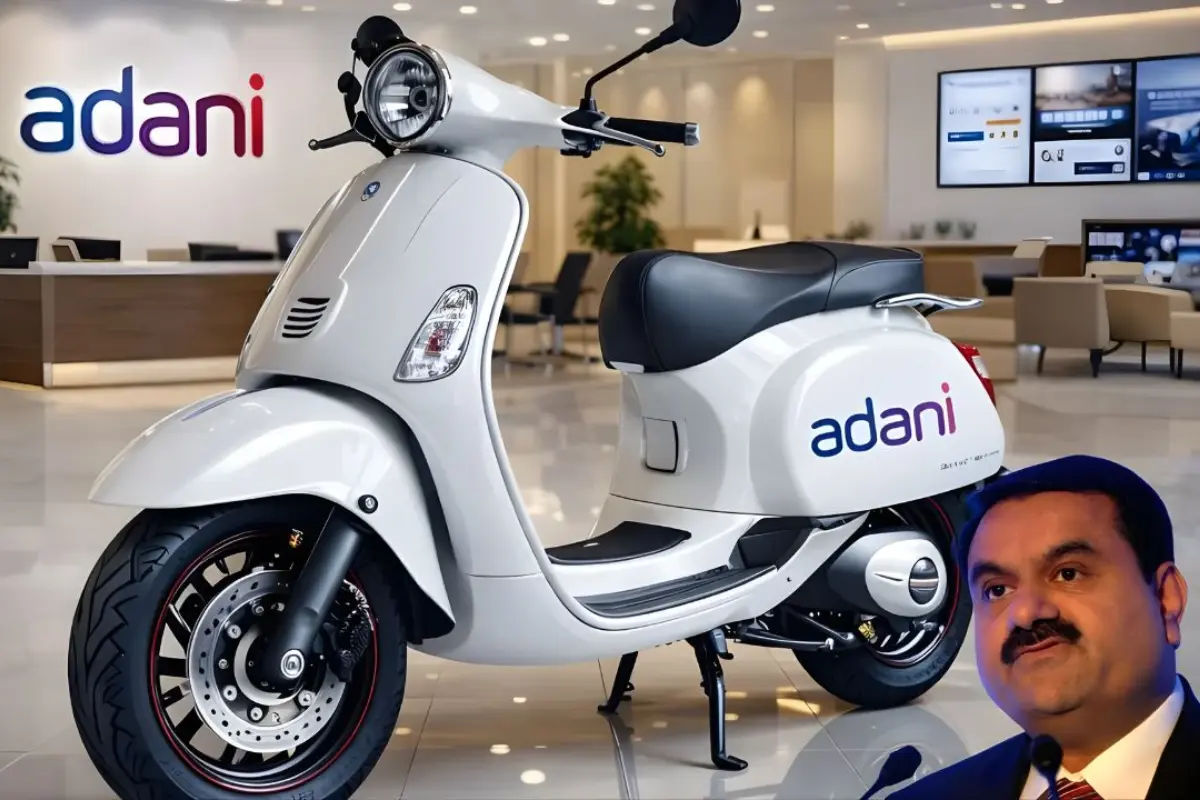
Adani Electric Scooter 2026 Launch : Adani electric scooters are at the forefront of India’s shift towards cleaner, smarter urban mobility. As cities grow and pollution escalates, electric scooters have become essential for reducing emissions and decreasing reliance on fossil fuels.
The Adani Group, known for its energy and infrastructure ventures, has launched a product in the two-wheeler EV segment that prioritizes efficiency, affordability, and practicality. Buyers see this scooter not just as a vehicle, but as a data-driven choice that balances performance, cost savings, and environmental responsibility.
Adani Electric Scooter
The Adani electric scooter differs from traditional petrol scooters primarily in its powertrain: it uses an electric motor powered by a lithium-ion battery instead of an internal combustion engine. This fundamental difference eliminates fuel costs entirely, as charging costs are typically a fraction of petrol expenses.
While traditional scooters might achieve 40-50 km per liter in city traffic, the energy efficiency of an electric scooter means charging costs are often less than ₹1 per kilometer. This significant reduction in running costs makes the Adani electric scooter an attractive option for those who commute 30-50 km daily.

Battery Technology and Range
At the heart of the Adani electric scooter is its battery, which determines range, lifespan, and user confidence. Modern electric scooters are equipped with advanced lithium-ion cells that can deliver a real-world range of 80-120 km on a single charge, depending on riding conditions and load.
For city commuting – where average speeds are 25-35 km/h – this translates to a full week of commuting without needing to recharge frequently. While range anxiety remains a concern for some buyers, improved battery management systems ensure consistent performance across various weather conditions and terrains.
Charging and Charging Time
Charging infrastructure plays a crucial role in the daily use of any electric scooter. Adani electric scooter owners can charge at home using a regular 15A socket or a dedicated wall-mounted charger. A full charge typically takes 4 to 6 hours, making overnight charging convenient for most users.
Public charging stations are becoming increasingly common, especially in urban centers and commercial hubs, with plans for expansion to many workplaces and apartment complexes. This growing network reduces reliance on home charging and provides flexibility for longer journeys.

Price, Running Costs, and Long-Term Savings
The initial price of the Adani electric scooter is comparable to other electric scooters in the entry- to mid-range segment, and the total cost of ownership is often competitive with petrol scooters. Electric scooters have significantly lower running costs. On average, the electricity cost for a full week of commuting might be around ₹70–₹120, compared to a weekly petrol cost of ₹300–₹500 for similar usage.
Maintenance costs are also lower due to fewer moving parts. Over a typical five-year ownership period, the total savings on fuel alone can exceed ₹60,000, making it a compelling economic reason to switch.
Safety and Comfort Features
Safety and comfort are essential for daily commuters. The Adani electric scooter is designed with features such as regenerative braking, ABS (Anti-lock Braking System) (where applicable), and LED lighting for improved visibility. The suspension tuning strikes a balance between ride comfort and handling, which is crucial for varying urban road conditions.
A digital instrument cluster provides real-time information on battery status, range prediction, and speed. These user-friendly features instill confidence in riders who rely on their scooters for work, school, and everyday errands.

Conclusion
The Adani electric scooter is more than just a new vehicle; it’s part of a larger shift towards sustainable, affordable urban mobility. With its low running costs, practical range, and growing infrastructure support, it appeals to a broad segment of daily commuters.
Offering real cost savings and environmental benefits, this scooter represents a future where transportation is cleaner, smarter, and more economical. For many riders, switching to an electric scooter isn’t just an option—it’s a sensible, data-driven decision for modern life.